
HMRC targets “significant” shareholders
HMRC is sending “nudge” letters to people that have significant control of a company. Why is this happening and what should you do if you receive a letter?
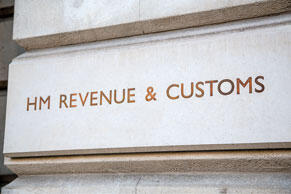
Nudge letters are being increasingly used by HMRC in recent years. They are generally sent to individuals that HMRC thinks may not have fully declared their income, and are a kind of informal “prompt” to take action if needed. The latest campaign is targeting people that appear on the persons of significant control (PSC) register if either:
- less than £100,000 of income was declared on their 2020/21 tax return; or
- they are not submitting self-assessment tax returns.
Of course, it is perfectly possible to be a PSC and have little to no income from the company to declare, e.g. shareholders of a company that isn’t trading, or is making losses meaning no dividends are being paid out so receipt of a letter doesn’t necessarily mean you’ve done anything wrong. Nonetheless, the number of letters is likely to be significant. So what should you do if you receive one?
If you have not been completing self-assessment tax returns, you can check whether you need to here. If you are already within self-assessment but haven’t declared any taxable benefits received from the company, receipt of a share option or a disposal of shares, the letter should instruct you to amend your 2020/21 tax return. The deadline for doing so is 31 January 2023, but ideally you should pay any outstanding tax as soon as possible to avoid further late payment interest charges.
Related Topics
-
Deadline to pay Class 1B NI
-
Company owners' personal tax affairs under scrutiny
Company owners are being urged to check their personal tax affairs as a new compliance campaign focuses on transactions between limited companies and the people who control them. Loans, personal expenses and the use of company assets are among the areas attracting attention. Could you have overlooked a tax liability?
-
HMRC speeds up National Insurance refunds
HMRC has confirmed that it is using a new automated process to speed up National Insurance refunds. Where its records suggest that someone may have overpaid, HMRC will write to them asking them to check their employment and contribution details before any refund is processed. Could you be due money back?

 This website uses both its own and third-party cookies to analyze our services and navigation on our website in order to improve its contents (analytical purposes: measure visits and sources of web traffic). The legal basis is the consent of the user, except in the case of basic cookies, which are essential to navigate this website.